
On this page
Melatonin can modestly shorten the time it takes some people to fall asleep, but a spray is mainly a delivery format—not proof that it works better than every tablet, gummy or liquid. I personally like the convenience of a spray at the end of a long day, but my experience is not a clinical result.
If you prefer a quick, no-pill option, this is the type of melatonin spray I mean in this guide. Check the label for the amount of melatonin per serving before using it.
What is melatonin spray?
Melatonin is a hormone your brain normally produces in response to darkness. It helps signal that biological night is beginning. A melatonin spray packages supplemental melatonin in a liquid that is sprayed into the mouth rather than swallowed as a conventional tablet or capsule. That makes the format appealing to people who dislike pills or simply want something easy to use as part of a bedtime routine.
The word spray can make a product sound more advanced than it is. The active ingredient is still melatonin. Different formulations can change how melatonin is absorbed and how quickly blood levels rise, but research has not established one universally superior formulation for every sleep problem. A systematic review of melatonin pharmacokinetics found meaningful differences between formulations while concluding that evidence was insufficient to recommend specific formulations for specific sleep disorders.
That distinction matters. If a spray helps you, great. But the sensible reason to choose it is convenience, preference and an appropriate dose—not a marketing claim that spraying automatically makes melatonin dramatically more powerful.
My experience with melatonin spray
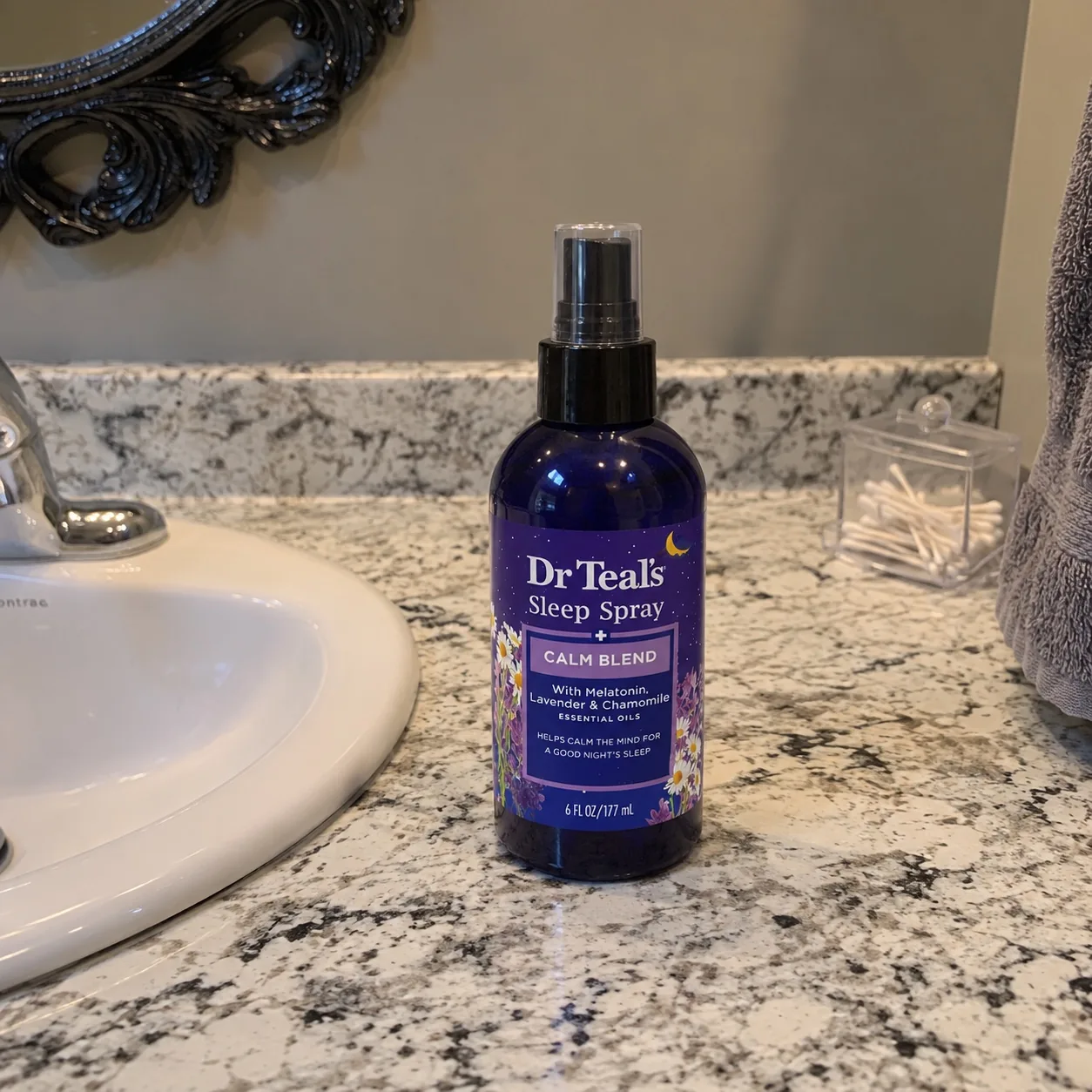
For me, the biggest appeal is how it fits the end of the day. After a long day, I find that using a melatonin spray helps me decompress and I tend to fall asleep faster than I do without it. I like that I do not have to swallow another capsule before bed, and the act of using it has become a simple signal that the day is winding down.
That is my personal experience, not evidence that a spray will do the same thing for everyone. Sleep is unusually easy to influence with expectations, routines, stress levels, light exposure and how tired you happen to be. I cannot separate all of those factors in my own experience. What I can say honestly is that I notice a difference in how easily I settle down and fall asleep when I use it.
I also do not use that experience to claim that melatonin fixes poor sleep habits. If I stay up under bright light, drink caffeine late, scroll on my phone in bed and expect a spray to erase all of it, I am asking too much from a supplement. Our guides to morning light and your body clock and waking up at 3 a.m. cover the bigger sleep picture.
What does the research actually say about melatonin and sleep?
Melatonin is not a traditional sedative that simply knocks you out. It is closely tied to circadian timing. Supplemental melatonin can be useful in some circumstances, particularly when the goal is to influence sleep timing, but results depend on the person, the problem being treated, dose, timing and formulation.
Across research, melatonin tends to show a modest effect on sleep onset rather than a dramatic transformation of sleep. That makes the language around it important. “Helps some people fall asleep a little sooner” is much more defensible than “solves insomnia.” If you have persistent insomnia, repeated nighttime waking, loud snoring, breathing pauses, restless legs or major daytime sleepiness, figuring out the underlying issue matters more than changing supplement formats.
Formulation research is especially relevant to sprays. A systematic review in Sleep Medicine Reviews examined different melatonin delivery methods and found that formulations affect pharmacokinetics, but the available evidence could not establish the best formulation for specific sleep disorders. That is a useful reality check against claims that one delivery system is automatically best.
Spray vs gummies vs tablets: what actually matters?
The first thing I would compare is the actual melatonin dose per serving. A tiny bottle can deliver a surprisingly large dose, while another product may provide a fraction of that amount. “Two sprays” tells you nothing until you read how many milligrams those sprays contain.
Second is consistency. A tablet provides a premeasured amount. A spray depends on the pump and the number of sprays. Follow the product directions rather than free-pouring your bedtime chemistry. Third is convenience. If you dislike swallowing pills, a spray may be easier to stick with. If you already have a tablet that works well, there is no obvious reason to switch merely because spray sounds newer.
Finally, check the rest of the ingredient list. Some sleep products combine melatonin with herbs, magnesium or other ingredients. That makes it harder to know what is responsible for the effect and can create additional interaction or tolerability considerations.
Dose and timing matter more than hype
One of the most common mistakes with melatonin is assuming that more must work better. Melatonin is biologically active at relatively low levels, and higher supplemental doses are not automatically more effective. Depending on the goal, timing can be as important as dose because melatonin is a circadian signal.
For occasional sleep-onset use, follow the product label and avoid escalating simply because you had one rough night. If you regularly need a sleep aid, or you are trying to shift your body clock because of jet lag or an unusual schedule, a pharmacist or clinician can help with timing and dose.
Also look upstream. If you are fighting your body clock with bright evening light and irregular sleep times, consider fixing those signals. Our morning sunlight guide explains why light early in the day and darkness later can reinforce sleep timing without pretending there is one magic number of minutes for everyone.
Melatonin side effects and safety
Melatonin is widely available, but “sold over the counter” does not mean “irrelevant to your health.” Possible side effects can include headache, dizziness, nausea and daytime drowsiness. If you feel groggy the next morning, that is useful feedback—not a challenge to keep increasing the dose.
Melatonin can also interact with medications and may not be appropriate for everyone. If you take prescription medications, have significant health conditions, are preparing for surgery, or use other products that make you sleepy, ask a pharmacist or healthcare professional before adding it. Do not drive or do anything requiring full alertness if you feel drowsy.
Keep sleep supplements away from children and pets. And remember that supplement quality can vary. A reputable manufacturer, clear labeling and third-party testing where available are more meaningful buying criteria than a dramatic front-label promise.
Can melatonin help with waking up at 3 AM?
Sometimes people reach for melatonin because they wake in the middle of the night, but sleep-maintenance problems are not identical to difficulty falling asleep. Taking more melatonin every time you wake up can also leave you sleepy the next morning. If middle-of-the-night waking is your real issue, start with our Why Do Men Wake Up at 3 AM? guide rather than assuming the answer is a stronger supplement.
Persistent waking can reflect schedule, alcohol, stress, environment, sleep apnea, urinary symptoms, pain, medications and many other factors. Melatonin cannot diagnose or erase those causes.
What I would look for before buying a melatonin spray
I would start with a clearly stated amount of melatonin per serving. Then I would look for straightforward directions, a manufacturer that does not promise impossible results, and an ingredient list that does not bury the product under a dozen trendy sleep compounds. If third-party quality testing is available, that is another positive signal.
I would also decide whether I actually want a spray. The format makes sense for me because it is quick and easy at bedtime. Someone who already has a low-dose tablet they tolerate well may gain nothing by switching formats.
I like the spray format because it is easy to work into my wind-down routine. If that convenience appeals to you too, check the serving size and label rather than assuming every spray delivers the same dose.
Is melatonin spray worth trying?
If your main problem is occasionally taking a long time to settle and fall asleep, and you prefer a liquid/no-pill format, melatonin spray can be a reasonable option to discuss or try according to the label. My own experience has been positive for winding down and falling asleep sooner, which is why the format has earned a place in my routine.
But I would not buy it expecting a knockout effect or a cure for chronic insomnia. The evidence around melatonin is more nuanced than that, and the evidence does not establish sprays as universally superior. Use the smallest amount that meets the product directions and your needs, pay attention to next-day effects, and treat persistent sleep problems as a reason to investigate sleep—not simply to buy more sleep aids.
Bottom line: the spray is a convenient delivery format for a well-known circadian hormone. Convenience is a legitimate benefit. Just keep the expectations realistic and the dose visible.
Also see Melatonin Spray Helped Me Sleep. My earlier first-person Vitamin Hippo story on Medium.
See why my short warm shower before bed has become a 5–10 minute “splashdown” that helps me decompress and feel fresh before sleep.

Tim Lekach founded Vitamin Hippo and has written about health, supplements and men’s wellness since the site’s original run. He personally used GenF20 Plus and now separates first-hand experience from clinical evidence and manufacturer claims.
More about Tim and Vitamin Hippo →