
On this page
A short warm shower immediately before bed helps me sleep better. I usually spend about 5–10 minutes in the shower with body wash, without washing my hair or turning it into a full shower. I call it a “splashdown.” I come out feeling clean, fresh and mentally separated from the day.
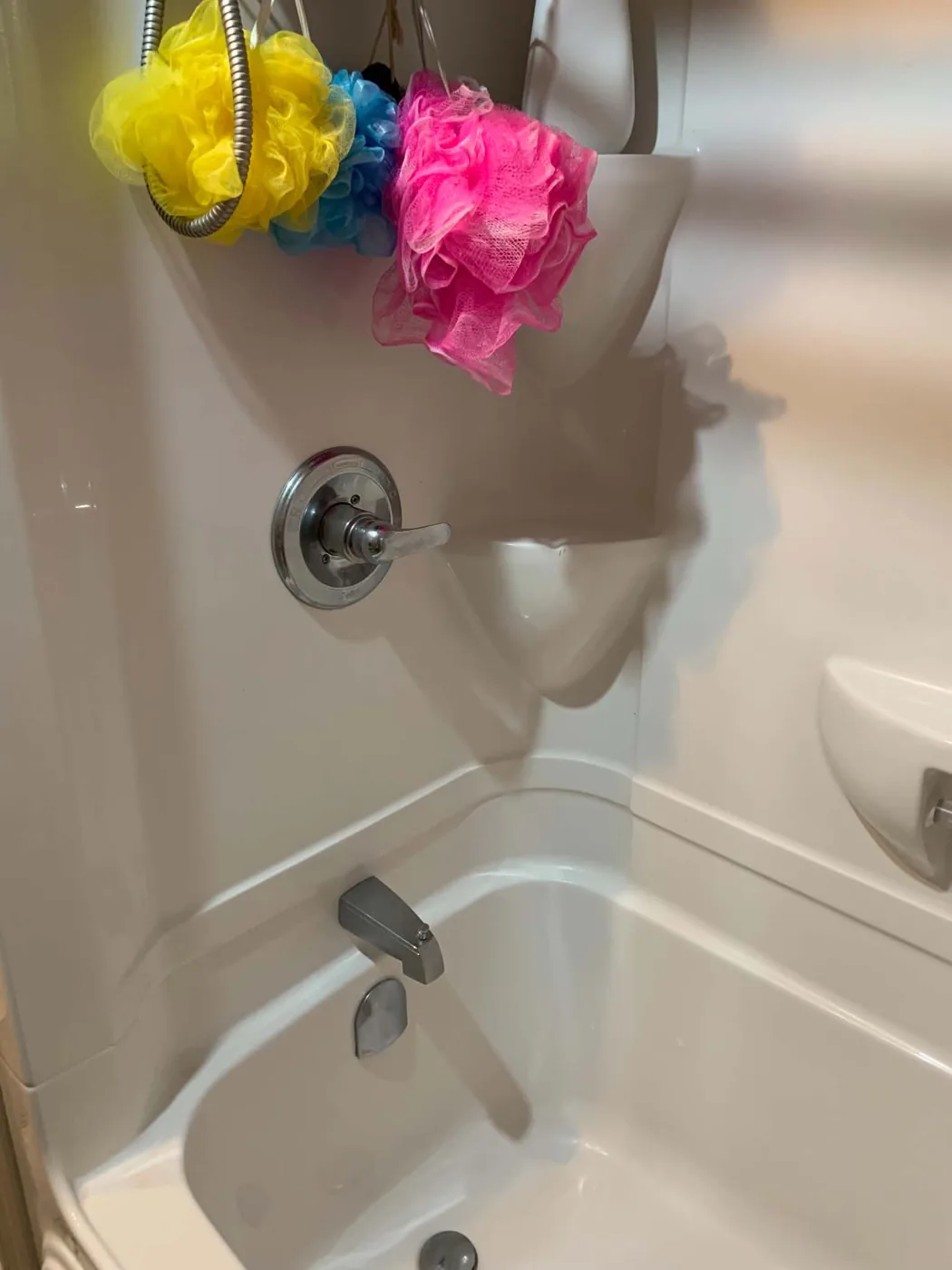
My 5–10 minute “splashdown” before bed
I have a small bedtime habit that sounds almost too simple to write about: I take a short shower right before I get into bed. I jokingly call it my splashdown. It is not the shower where I wash my hair, shampoo, shave and do everything else. I am usually in there for only five to ten minutes, use body wash, rinse off, dry off and head to bed.
The reason I keep doing it is equally simple. It helps me wash away the day. That phrase is not meant medically or scientifically. It is the best description of how the routine feels to me. Whatever I have been doing—working, exercising, being outside, sitting at a computer, cooking or just moving through a busy day—the shower creates a clean break between all of that and sleep.
I also like getting into bed feeling fresh. For me, there is something noticeably different about climbing under the sheets after a quick warm rinse versus going straight from the couch or computer to bed. The shower has become a transition point. Day is done. I am clean. The next thing I am doing is sleeping.
I have tried enough complicated wellness ideas over the years to appreciate one that costs virtually nothing, takes a few minutes and fits naturally into something I was already doing. I do not need an app, supplement, special device or elaborate protocol. I just turn on the shower.
Why I think it helps me decompress
The biggest effect I notice is not that warm water magically knocks me out. It is that the routine helps me decompress from the day. For those five or ten minutes, I am not scrolling, answering something, watching television or trying to squeeze in one more task. I am standing under warm water doing one very ordinary thing.
That makes the shower useful to me as a behavioral cue. Bedtime routines do not need to be fancy. Repeating the same low-key sequence at night can create a predictable transition toward sleep. Sleep Foundation includes a warm bath or shower among common relaxing bedtime-routine ideas, while also emphasizing the larger basics such as a consistent schedule and a sleep-friendly environment.
My experience is exactly that: the shower is one piece of winding down. I would not expect it to cancel out a huge amount of caffeine late in the day, severe stress, a sleep disorder or spending half the night on my phone. It simply helps me make the transition.
It also connects naturally with other sleep topics I have been exploring on Vitamin Hippo. If I am paying attention to why I am waking up during the night, how morning light affects my body clock, or what my Oura Ring sleep data is showing me, it makes sense to pay attention to the simple routines immediately before bed too.
What does research actually say about a warm shower before bed?
There is legitimate research behind the general idea, although it is important not to stretch it farther than the evidence goes. A 2019 systematic review and meta-analysis in Sleep Medicine Reviews examined 17 studies of warm showers and baths before bedtime. The researchers reported that water-based passive heating at roughly 40–42.5°C (104–108.5°F) was associated with better self-rated sleep quality and sleep efficiency. When the warm bath or shower was scheduled about one to two hours before bedtime, as little as ten minutes was associated with shorter sleep-onset latency.
The proposed explanation sounds counterintuitive at first. Warm water heats the skin and increases blood flow toward the hands and feet. Afterward, that can help the body release heat. Core body temperature naturally trends downward as bedtime approaches, so researchers think this heat-dissipation process may work with normal nighttime temperature regulation.
That does not prove that my five-to-ten-minute shower immediately before bed is causing my better sleep. In fact, the best-supported research timing is earlier than the timing I personally use. I think that distinction is worth being explicit about. The research supports the broader concept of warm bathing or showering before bed; my exact routine is simply the version I enjoy and have found useful for myself.
If you want to read the research directly, see the systematic review and meta-analysis indexed by PubMed. Sleep Foundation also has a useful evidence-based overview of showering before bed that explains the temperature-regulation theory in plain English.
Warm vs cool vs cold: what works for me?
Warm wins for me. I am not trying to turn bedtime into a toughness challenge. A cold shower may feel energizing or refreshing to some people, but that is almost the opposite of what I want at night. I want the shower to feel comfortable and calming.
I also do not make it painfully hot. There is no prize for standing under water that is uncomfortable. The studies above used fairly warm water, but you do not need to chase a thermometer reading in your shower. My practical rule is simply warm enough to feel relaxing, not so hot that I come out overheated.
Evidence around cold water and sleep is more mixed and context-dependent. Some research has looked at cold-water immersion in athletes after evening exercise, but that is a very different intervention from taking a normal shower before bed. For the average person interested in a calming nighttime routine, the research base is stronger for warm bathing and showering.
When should you shower before bed?
This is where my routine and the research are slightly different. I shower immediately before I get into bed. I dry off, finish the last tiny pieces of my nighttime routine and climb in. That is what feels best to me and it is part of why the shower works as a mental finish line.
The research, however, most strongly supports warm bathing or showering roughly one to two hours before bed. That timing gives the body time to go through the warming-and-cooling process researchers are interested in. If your goal is to follow the published research as closely as possible, that earlier window makes more sense than copying my exact timing.
But real life matters too. A routine you actually repeat can be more useful than a theoretically perfect routine you abandon. If you already shower at night, you could experiment with timing and pay attention to how you feel. I prefer mine right before bed because the clean, fresh feeling is part of the benefit for me.
How I keep my bedtime shower intentionally simple
I think the simplicity is a big part of why I have stuck with it. This is not another 45-minute nightly wellness routine. Most nights my version looks like this:
- Five to ten minutes. Long enough to rinse off and unwind, short enough that it never feels like a chore.
- Warm water. Comfortable rather than extremely hot or cold.
- Body wash and rinse. I am not shampooing my hair or doing a full grooming routine.
- No phone. Obviously I am not bringing it into the shower, which gives me a few screen-free minutes at exactly the right time.
- Straight toward bed. I am not showering and then starting another hour of work. For me, the shower means the day is essentially finished.
That last point may be more important than it looks. The shower is attached to an existing behavior—going to bed—so I do not have to remember another independent habit. It is a form of habit stacking without me needing to call it that.
Is the clean feeling part of the sleep benefit?
For me, absolutely—but that is subjective. I like getting into clean sheets feeling clean myself. If I have exercised, been outside, sweated, cooked or simply had a long day, rinsing off makes the bed feel more like a separate environment rather than an extension of everything I was doing beforehand.
I cannot measure how much of my experience comes from temperature, how much comes from relaxation, and how much comes from the psychological signal of feeling fresh. I am fine with that. Personal routines do not need a laboratory explanation for every part of why we enjoy them. The important thing editorially is not to confuse my experience with proof.
Could a shower before bed backfire?
It could, depending on the person and the shower. Extremely hot water can feel uncomfortable, dry or irritate some people's skin, and an intense cold shower may feel stimulating rather than relaxing. A long shower can also turn a five-minute wind-down habit into another thing keeping you up.
If showering wakes you up, makes you uncomfortably hot, or simply does not fit your routine, there is no reason to force it. The goal is better sleep habits, not winning at showering.
Where this fits in my bigger sleep routine
I do not look at the splashdown in isolation. Sleep is affected by what happens across the entire day. Morning light, exercise, stress, caffeine, alcohol, room temperature, bedtime consistency and health conditions can all matter. My short shower is just one low-effort lever I happen to enjoy.
I have also learned that how I feel after sleeping and what a tracker estimates are not always identical. That is why I use my Oura Ring 5 as a trend tool rather than treating every sleep score as a medical verdict. Likewise, if I wake in the middle of the night, I look at the broader pattern rather than assuming one bedtime habit caused it.
For readers who like experimenting with routines, that is probably the useful takeaway: change one simple thing, give it some time, and notice whether it genuinely makes your nights better.
The final wind-down also depends on the shared room. Our guide to sleeping when your partner reads in bed helps you compare light spill, reading location and finishing times before bedtime becomes a nightly negotiation.
Frequently asked questions
Does showering before bed help you sleep?
Research suggests a warm shower or bath before bed can support sleep, particularly when taken about one to two hours beforehand. In my own case, a short warm shower immediately before bed helps me feel relaxed, fresh and ready to sleep. My experience should not be treated as a guarantee for everyone.
How long should a shower before bed be?
The 2019 meta-analysis found effects with warm water exposure for as little as ten minutes in the studies it reviewed. My own splashdown is usually about five to ten minutes. I would not make it longer simply because you assume more must be better.
Is a hot or cold shower better before sleep?
The stronger sleep evidence is for warm or hot water, not cold showers. I personally prefer warm water because I am trying to wind down rather than feel stimulated.
Can I shower immediately before bed?
You can if it works for you. That is what I do. Just recognize that the research showing the clearest sleep-onset benefit generally used warm bathing or showering about one to two hours before bedtime.
Do I need to wash my hair?
No. My routine is specifically not a full shower. I use body wash, rinse off and get out. The point for me is a quick clean-and-reset feeling before bed.
What if I have ongoing trouble sleeping?
A shower is a routine, not a treatment for a sleep disorder. If poor sleep is persistent, severe, or accompanied by symptoms such as loud snoring, gasping, breathing pauses or major daytime sleepiness, talk with a qualified healthcare professional.
Bottom line
My short shower before bed has survived in my routine because it is easy and because I genuinely notice a difference. Five to ten minutes of warm water helps me wash away the day, decompress and get into bed feeling fresh. I sleep better when I do it.
There is also real research behind warm showers and baths before sleep, particularly when they are taken one to two hours before bedtime. I do mine later than that, so I am not going to pretend the research proves my exact routine. It simply gives some scientific context to a habit I had already discovered works well for me.
Sometimes the useful healthy-aging habits are not exotic. Mine is a quick splashdown, some body wash and bed.
Sources & further reading
Haghayegh et al. — systematic review and meta-analysis of warm showers/baths before bedtime (Sleep Medicine Reviews)
Sleep Foundation — Showering Before Bed: Can It Help You Sleep Better?
Sleep Foundation — Building a Better Bedtime Routine
Once I am in bed, I sometimes use a simple 4-4-4-4 box breathing count when my thoughts are still busy.

Tim Lekach founded Vitamin Hippo in 2020 and brought it back with a tighter focus on men's healthy aging, hormones and performance. Personal observations are identified as such and kept separate from published evidence and manufacturer claims.
More about Tim and Vitamin Hippo →