
On this page
What is proffee?
Proffee is exactly what it sounds like: protein plus coffee. Usually that means coffee mixed with protein powder or a ready-to-drink protein shake. It became a social-media trend because it combines two routines people already have—morning coffee and trying to get more protein—into one drink.
The trend does not need to be complicated. Proffee is not a new nutrient and it does not unlock a special metabolism hack. It is simply one way to make a cup of coffee contribute some protein to your day.
Why I think it fits men over 40
Protein becomes a recurring theme on Vitamin Hippo because maintaining muscle is harder to ignore as we age. Many people also under-eat protein at breakfast and then try to catch up at dinner. Adding protein to coffee can be a practical bridge on mornings when a full meal is not happening.
That does not make coffee a complete breakfast. Cleveland Clinic's dietitian guidance makes the same basic point: protein coffee can be useful, but it is not a substitute for nutritious food.
How to make proffee without creating sludge
Cold or iced coffee is forgiving. Brew coffee, let it cool or pour it over ice, then add a ready-to-drink protein shake or protein powder that has already been mixed smoothly with a little liquid. Hot coffee can make some powders clump, especially if you dump a dry scoop directly into very hot liquid.
A small milk frother or shaker can help. Start with less protein powder than you think you need and adjust. The goal is a coffee you enjoy drinking, not a thick protein paste you force down because TikTok said so.
The best recipe is ultimately the one you will actually make. Keep the ingredient list understandable, make the drink taste good, and remember that proffee is a convenient way to combine coffee and protein—not a requirement for healthy eating.
Use: 8–10 oz half-caf or decaf coffee, your preferred protein shake or smoothly mixed protein powder, and ice or a little milk. This is the version I would consider if you like the idea of proffee but do not want another large caffeine hit. The protein does not depend on the coffee being fully caffeinated.
5 easy proffee recipes
These are real one-serving recipes rather than loose flavor ideas. Protein and calorie totals will vary by the exact milk, powder or ready-to-drink shake you use, so use your own labels if you track them.
1. Classic vanilla iced proffee
Ingredients: 3/4 cup (180 mL) cold brew or chilled coffee; 1/2 cup (120 mL) milk of choice; 1 scoop vanilla protein powder; 1 cup ice; optional pinch of cinnamon.
Directions: Shake or blend the milk and protein powder until smooth. Fill a tall glass with ice, pour in the coffee, then add the protein mixture. Stir and add cinnamon if you like.
2. Mocha proffee
Ingredients: 3/4 cup (180 mL) cold brew or chilled coffee; 1/2 cup (120 mL) milk; 1 scoop chocolate protein powder; 1 teaspoon unsweetened cocoa powder; 1 cup ice; optional sweetener to taste.
Directions: Mix the milk, protein powder and cocoa until smooth. Pour the coffee over ice, add the chocolate protein mixture and stir. Taste before adding sweetener.
3. Cinnamon vanilla proffee
Ingredients: 3/4 cup (180 mL) chilled coffee; 1/2 cup (120 mL) milk; 1 scoop vanilla protein powder; 1/4 teaspoon ground cinnamon; 1 cup ice; optional drop of vanilla extract.
Directions: Shake the milk, protein, cinnamon and optional vanilla until smooth. Pour over iced coffee and stir well. Dust with a little extra cinnamon if you want more spice.
4. High-protein cold-brew proffee
Ingredients: 3/4 cup (180 mL) cold brew; 3/4 cup (180 mL) ready-to-drink protein shake; 1 cup ice. Optional: 1–2 tablespoons milk if you want a lighter texture.
Directions: Fill a glass with ice, add the cold brew, then slowly pour in the protein shake. Stir. This is the easiest version when you do not want to deal with protein-powder clumps.
5. Hot vanilla proffee
Ingredients: 8 oz (240 mL) hot coffee; 1/2 cup (120 mL) milk; 1 scoop vanilla protein powder; optional cinnamon.
Directions: Do not dump dry protein powder straight into very hot coffee. First whisk or shake the protein powder with the milk until completely smooth. Let the coffee sit briefly, then slowly stir the protein mixture into the coffee. Add cinnamon if desired. If your powder still clumps at high temperatures, use warm rather than piping-hot coffee.
How much protein should go in it?
There is no official proffee dose. The amount depends on what the rest of your day looks like. Our Protein After 40 guide explains the bigger picture: daily protein and distribution across meals matter more than turning one coffee into a mega-dose.
A typical protein powder serving might provide around 20 to 30 grams, but labels vary. If your breakfast already contains eggs, Greek yogurt or another protein-rich food, you may not need a full scoop in coffee. Think of proffee as part of the meal, not a separate nutrition contest.
Remember that the coffee still contains caffeine
This matters for anyone who is sensitive to jitters. Adding protein does not neutralize caffeine. If regular coffee makes you wired, protein coffee can still make you wired. Decaf or half-caf can give you the ritual and flavor with less caffeine.
That is also why I would not automatically stack proffee with a caffeinated pre-workout. The protein and coffee are simple ingredients; the total stimulant load across the morning is what matters.
The version on my counter
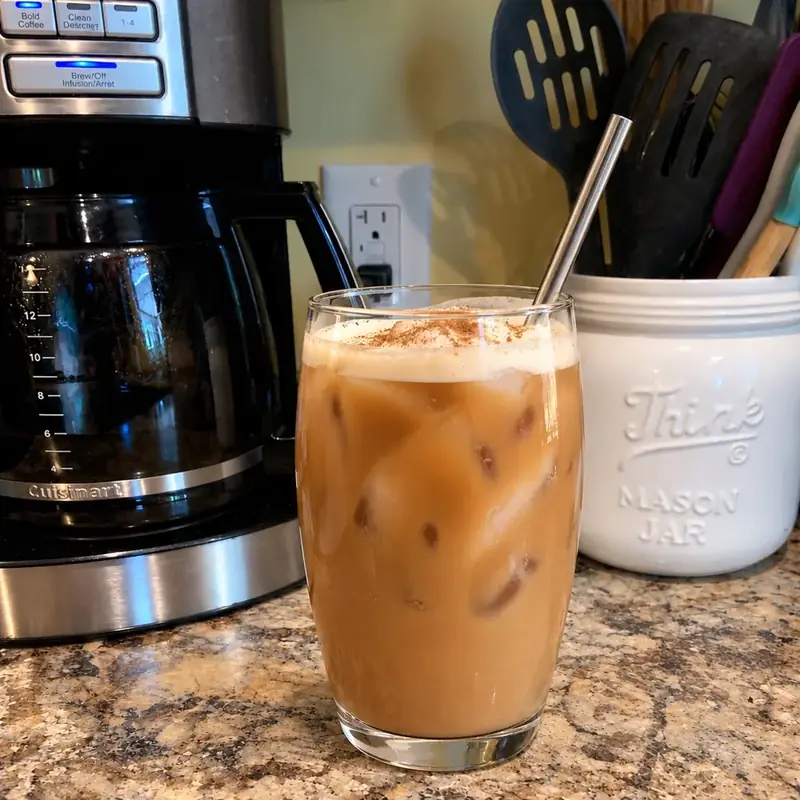
The iced proffee pictured here is the kind of simple version I like conceptually: coffee, ice and a creamy protein component. You can change the flavor with cinnamon, cocoa or vanilla without turning it into a dessert drink.
If you are watching calories or added sugar, the easiest move is to look at the protein powder or shake label and then account for whatever milk, syrup or sweetener you add. A drink can go from straightforward to coffee-shop dessert very quickly.
Where proffee fits with training
Protein supports muscle repair and remodeling; caffeine can improve exercise performance for many people, but tolerance varies. That makes proffee a plausible pre-workout option for someone who already drinks coffee and tolerates it well. It is not mandatory and it is not superior to eating protein and drinking coffee separately.
If your bigger concern is losing muscle after 40, the fundamentals are resistance training, enough total protein, enough energy and recovery. Proffee is just a convenient tool inside that system.
Three ways people overcomplicate proffee
First, they treat it like a meal replacement when it contains little besides coffee and protein. Second, they add so many syrups, creamers and toppings that the nutrition profile changes completely. Third, they assume more protein is always better and keep adding scoops without considering the rest of the day.
Keep it boring enough to be useful. Coffee you enjoy, an amount of protein that fits your diet and, if you want a real breakfast, actual food alongside it.
How I would build a better proffee routine
The easiest starting point is to decide whether the drink is replacing something or adding something. If you normally drink black coffee and then eat breakfast, adding a 200-calorie protein shake changes the meal. If you normally skip breakfast entirely, the same drink may be filling a gap. Context matters more than the trend name.
I would also choose the protein based on tolerance and preference. Whey mixes well for many people and has a strong amino-acid profile, but dairy does not agree with everyone. Casein, milk-protein blends and plant-based powders can all work; texture and flavor differ. There is no reason to force a protein source that upsets your stomach simply because an influencer uses it.
For hot coffee, temperature and mixing technique matter. Mix the powder separately with a small amount of cool or room-temperature liquid until smooth, then add coffee gradually. With iced coffee, a ready-to-drink shake is almost foolproof. This is a kitchen problem, not a nutritional one, but it can determine whether you make the drink twice or keep making it for months.
Think about caffeine timing too. If you drink proffee late in the day and then sleep poorly, the protein does not make that trade worthwhile. Sleep is part of muscle recovery, energy and appetite regulation. Someone who is caffeine-sensitive can use decaf, half-caf or simply make a protein shake and enjoy coffee separately earlier in the day.
And keep the rest of breakfast honest. Fruit, oats, whole-grain toast, eggs or other foods can provide fiber, micronutrients and additional energy depending on your needs. Proffee is useful because it is convenient. It becomes less useful when the word 'protein' gives the drink a health halo that makes us stop looking at the whole meal.
There is also no requirement to drink proffee every day. Some mornings a normal breakfast makes more sense; other mornings convenience wins. That flexibility is part of why I like the idea. Healthy aging does not require turning every meal into a rigid protocol. If protein coffee helps you build a more consistent protein pattern without making food feel like a full-time job, it has done its job. If you hate the taste, eat your protein and enjoy your coffee the way you actually like it.
Bottom line
Proffee is one of the better social-media wellness trends because the underlying idea is simple: combine a beverage many people already drink with a nutrient many active adults are trying to distribute more consistently through the day.
It is not magic and it does not need to be. If it helps you hit your protein target and you enjoy it, great. If you would rather eat breakfast and drink normal coffee, you are not missing a secret.
Sources & further reading
For an ordinary cold shake rather than coffee, see why protein shakes get foamy. It separates bubbles from undissolved powder and explains practical changes to shaking and blending.
For care between drinks, see why a protein shaker can smell after washing. It covers model-specific cleaning and the hot-liquid restrictions you should check before using a shaker for coffee.

Tim Lekach founded Vitamin Hippo and has written about supplements, men’s health and healthy aging since the site’s original run. Vitamin Hippo separates personal experience, manufacturer claims and published evidence.
More about Tim and Vitamin Hippo →