
Quick answer: what actually helps men last longer?
For men who finish sooner than they want, the most useful starting point is figuring out whether this is occasional, situational, or a persistent pattern that causes distress. Strategies can include slowing stimulation, stop-start or squeeze-style behavioral techniques, condoms or topical desensitizing products, pelvic-floor training in appropriate cases, communication with a partner, reducing performance anxiety, and medical treatment when premature ejaculation is persistent.
There is no single “normal” number of minutes that every man should hit. Satisfaction and control matter more than turning sex into a stopwatch competition.
What does “lasting longer” actually mean?
Some men mean they ejaculate within a minute or so of penetration and feel they have little control. Others last several minutes but wish sex lasted longer. Others are really describing erection loss, anxiety or difficulty pacing arousal. Those are not necessarily the same problem, so the solution should not be identical.
Premature ejaculation vs simply wanting more control
Premature ejaculation is generally defined clinically by a pattern of ejaculation occurring sooner than desired, difficulty delaying it and associated distress. Definitions distinguish lifelong from acquired patterns. A clinician looks at the history rather than diagnosing from one frustrating night.
If this has happened occasionally, especially during a new relationship, after a long gap between sexual activity, or during periods of stress, it may not indicate a disorder. If it is persistent and bothers you or your partner, it is reasonable to discuss it with a healthcare professional.
How long should you realistically last?
There is wide variation. Studies of intravaginal ejaculation latency time show that intercourse duration is not one universal number, and pornography is a terrible benchmark. The better questions are whether you and your partner are satisfied, whether you feel reasonable control, and whether the pattern has changed significantly.
1. The stop-start approach
The basic idea is to learn your arousal curve rather than waiting until ejaculation feels inevitable. During stimulation, pause when you feel yourself approaching the point where control drops sharply. Let arousal settle, then resume. Repeating this can help some men become better at recognizing and managing escalating arousal.
It is not a magic trick. It takes practice and works better when you treat it as skill-building rather than a pass/fail test.
2. The squeeze technique
A traditional behavioral approach involves pausing stimulation and applying gentle pressure for a short period when ejaculation feels close. Some men find it useful; others find it interrupts sex too much. If it creates discomfort or frustration, the stop-start method may feel more natural.
3. Condoms and reduced sensitivity
Condoms can reduce penile sensitivity for some men, and thicker condoms may do so more noticeably. There are also condoms and topical products designed with local anesthetic ingredients. Follow directions carefully because excessive numbing can reduce pleasure and topical anesthetics can transfer to a partner if used incorrectly.
4. Pelvic-floor training
The pelvic floor participates in ejaculation and erection function. Some men benefit from learning better pelvic-floor control, but “do hundreds of Kegels” is not universally good advice. An overactive or chronically tense pelvic floor can also cause problems. Quality of contraction and relaxation matters, and pelvic-floor physiotherapy can be useful when symptoms are complicated.
5. Slow the escalation instead of fighting the finish
Changing pace, position, depth or type of stimulation can reduce how quickly arousal climbs. Build in pauses before you are at 95% rather than trying to rescue control at the last second. More attention to foreplay and partner pleasure can also take pressure off penetration duration as the only measure of a successful sexual experience.
6. Communication is a performance tool
Trying to hide anxiety about finishing quickly often increases the anxiety. A straightforward conversation can reduce the sense that you are being timed or judged. It also lets both partners build a sexual routine that is satisfying even if penetration duration varies.
7. Stress, sleep and alcohol matter
Sexual response is not isolated from the rest of your nervous system. Poor sleep, high stress, relationship tension and alcohol can change arousal and erection quality. Alcohol may delay ejaculation for some men in the moment, but it is not a sensible treatment strategy and can impair erections and sexual function.
8. What I have noticed personally
Since my early 40s, I have noticed that I typically last longer when I am consistently taking supplements and when my overall diet is better. For me that has meant more vegetables—broccoli, cauliflower, asparagus and Brussels sprouts—and more protein, particularly chicken breast and chicken thighs.
I want to be precise about what that means. I am describing a pattern I have noticed in my own life. I cannot tell you that cruciferous vegetables, chicken or a supplement caused the change, and I would not present that combination as a treatment for premature ejaculation. Better nutrition may support overall health, but the evidence-based approaches for ejaculation control are more specific.
9. What about male-performance supplements?
Supplements are where it is especially important not to blur problems together. A product marketed around libido or erection quality is not automatically a treatment for premature ejaculation. I have personally used VigRX Plus and had a positive experience with it, but I would not claim that it treats premature ejaculation.
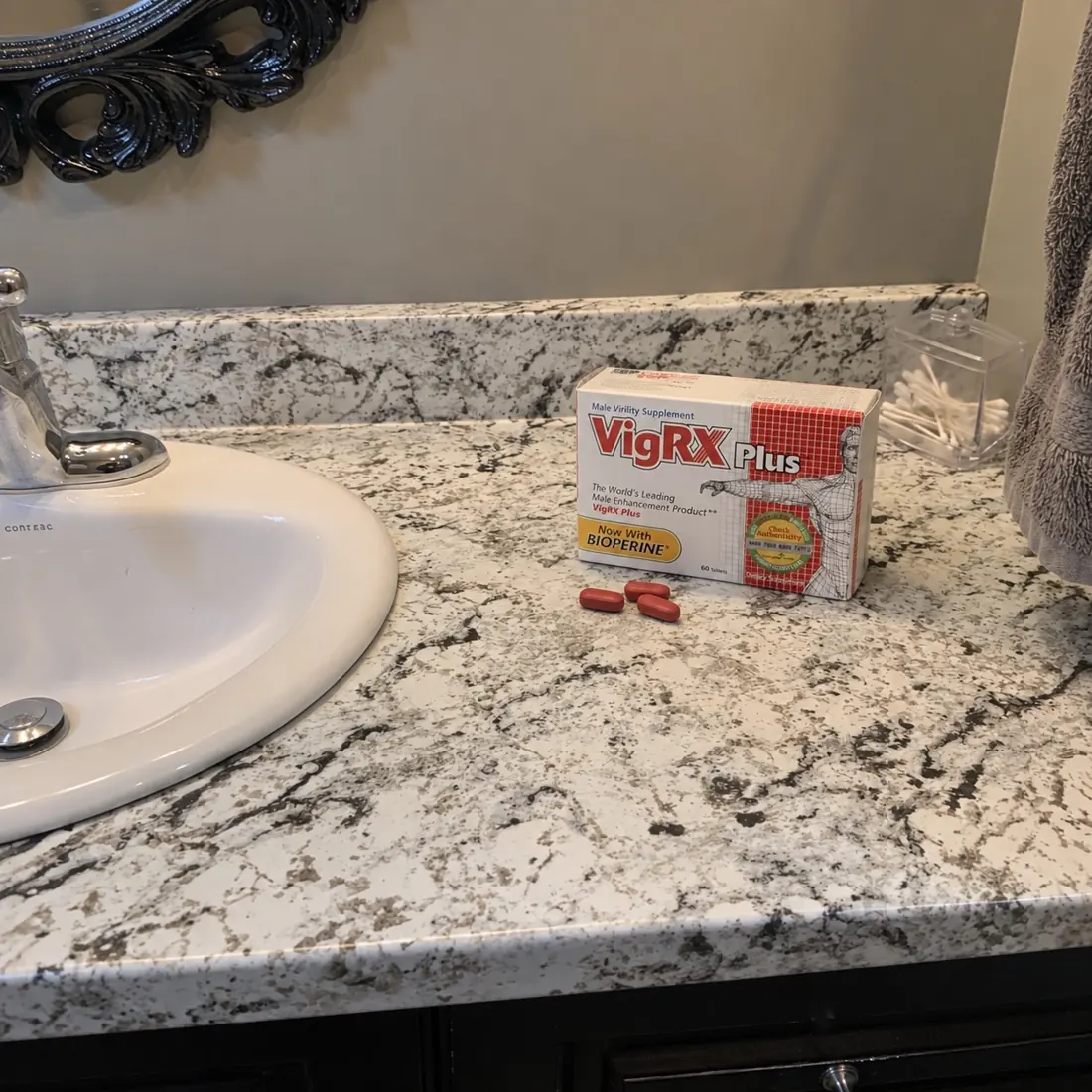
My VigRX Plus experience
I have used VigRX Plus personally. If you are interested in the supplement side of male performance, read my full review, including what I experienced and what the published study does—and does not—show.
Read my VigRX Plus review →That separation matters: lasting longer, libido and erection firmness are related to sexual performance, but they are not interchangeable outcomes.
10. Medical treatments exist
Persistent premature ejaculation can be treated. Depending on the situation and country, clinicians may discuss topical anesthetics, certain antidepressant medications used daily or on demand, counseling/sex therapy, and treatment of contributing erectile dysfunction or other health issues. Medication choices require individualized advice because benefits, side effects and interactions differ.
When erection quality is actually the issue
Some men rush because they worry they will lose their erection. In that situation, focusing only on ejaculation timing can miss the driver. Our erection quality after 40 guide covers blood flow, medications, sleep, stress and hormonal considerations. Changes in morning erections can also be useful context.
When to talk to a professional
Seek help when the problem is persistent, causes significant distress, suddenly changes from your normal pattern, occurs alongside pain, urinary symptoms, erection problems or other health changes, or is affecting your relationship. A family doctor, urologist or qualified sexual-health clinician can help distinguish premature ejaculation from other sexual-function issues.
What not to do
Do not numb yourself with unregulated mystery products, rely on heavy alcohol use, injure yourself with aggressive squeezing, or assume you need to “train” through pain. Avoid supplements that promise permanent enlargement or guaranteed sexual results. If an online claim sounds more certain than a medical guideline, that is a reason to slow down.
A practical four-week experiment
Week one: stop timing yourself and notice your arousal pattern. Week two: practice stop-start during solo or partnered activity without making duration the only goal. Week three: add communication and experiment with pacing or condoms if appropriate. Week four: review whether control and distress improved. If the pattern remains persistent and bothersome, take that information to a clinician.
Frequently asked questions
Can you train yourself to last longer?
Some men improve control with behavioral practice, especially learning to recognize rising arousal earlier. Results vary, and persistent premature ejaculation may benefit from medical or psychological treatment as well.
Do Kegels help you last longer?
Pelvic-floor rehabilitation may help some men, but indiscriminate Kegels are not a universal answer. Men with pelvic-floor tension may need relaxation and professional assessment rather than simply more contractions.
Do condoms help?
They can. Reduced sensation may delay ejaculation for some men. Thicker or desensitizing condoms may have a stronger effect, but reduced pleasure is the obvious trade-off.
Does thinking about something else work?
Distraction may delay ejaculation, but it can also make sex less connected and enjoyable. Learning arousal control and communicating with your partner is generally a more useful long-term strategy.
Can diet make you last longer?
No specific vegetable, protein source or diet has been established as a treatment for premature ejaculation. A nutritious diet supports cardiovascular and general health, which matters for sexual health, but that is different from proving it delays ejaculation.
Does VigRX Plus make you last longer?
I would not make that claim. I have personally used VigRX Plus and had a positive male-performance experience, but the product should not be presented as a treatment for premature ejaculation. See my VigRX Plus review for the separate evidence discussion.
Bottom line
If you want to last longer, focus first on control rather than an arbitrary stopwatch target. Behavioral techniques, pacing, condoms or topical options, communication, pelvic-floor work where appropriate and professional treatment all have a place. If your concern is actually erection firmness or libido, treat that as a separate question instead of assuming every male-performance issue has the same fix.
My own experience with supplements and a higher-quality diet is worth sharing because it is real, but it stays in the personal-experience column. That distinction is what lets Vitamin Hippo discuss awkward male-health questions without turning them into hype.
Sources & further reading
Mayo Clinic — Premature ejaculation diagnosis and treatment
VigRX Plus randomized placebo-controlled study — PubMed
Why chasing a number can make the problem worse
Once sex becomes a performance exam, every change in sensation can feel like a warning that time is running out. That monitoring can increase anxiety and pull attention away from pleasure and connection. A better goal is flexible control: being able to notice arousal, adjust pace, pause without embarrassment and continue without treating the pause as failure.
That is also why partner communication belongs in a practical article about lasting longer. If both people understand that changing pace or taking a pause is part of the plan, it stops feeling like something went wrong.

Tim Lekach founded Vitamin Hippo in 2020 and brought it back with a tighter focus on men's healthy aging, hormones and performance. Personal observations are identified as such and kept separate from published evidence and manufacturer claims.
More about Tim and Vitamin Hippo →