
On this page
Another recovery technology I have now tried firsthand is PEMF mats. My guide separates the relaxation experience from the condition-specific PEMF research.
Recovery can feel less forgiving in midlife, but there is no switch that flips on your 40th birthday. Training load, sleep, protein, stress, conditioning and accumulated aches often matter more than age alone. The goal is not to train timidly—it is to make your recovery match your training.
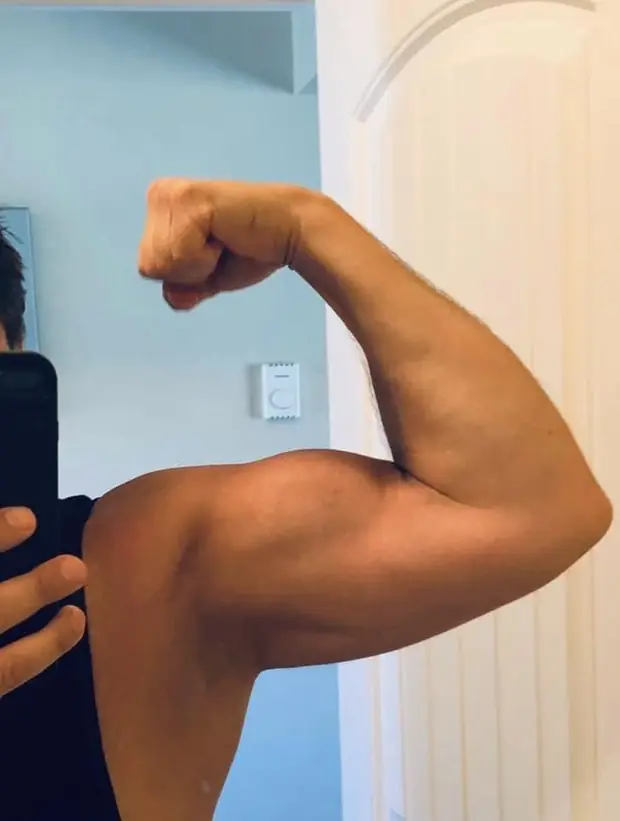
Does workout recovery really get slower after 40?
For many men it feels that way: soreness hangs around, a hard leg day affects the next session, and poor sleep costs more than it used to. But “over 40” is not a diagnosis. A 42-year-old who sleeps well and trains intelligently may recover better than a 32-year-old who piles on volume, drinks heavily and sleeps five hours.
The useful idea is recovery capacity. Resistance training creates a stimulus; adaptation happens between sessions. As we move through adulthood, maintaining muscle becomes more dependent on consistently giving the body enough training stimulus, protein, energy and recovery time.
The biggest recovery bottlenecks
Before blaming hormones, look at the obvious variables: Did training volume jump? Are the same joints being hammered on consecutive days? Are you sleeping enough? Are you eating enough protein and total calories? Has life stress increased while training stayed the same?
This is also where our natural testosterone guide overlaps with recovery: sleep, body composition, resistance training and adequate nutrition are useful regardless of whether they dramatically move a hormone number.
Protein matters more when preserving muscle matters
The adult RDA is 0.8 g/kg/day, but expert groups studying older adults commonly discuss higher intakes—around 1.0–1.2 g/kg/day for healthy older adults, with resistance exercise working alongside adequate protein. Those recommendations are aimed mostly at adults over 65, so a healthy 40-something should not automatically treat them as a prescription. They do show why protein becomes a serious conversation as muscle preservation becomes more important with age.
Our practical guide to how much protein men over 40 need translates the evidence into body-weight examples without pretending one number fits everyone.
Sleep is not optional recovery equipment
Sleep affects training quality, appetite, mood and hormonal rhythms. If you are repeatedly under-slept, adding another recovery supplement is unlikely to solve the basic problem. Loud snoring, witnessed pauses in breathing, waking unrefreshed or major daytime sleepiness are reasons to discuss possible sleep apnea with a clinician.
Sleep also connects to our guides on testosterone after 40 and growth hormone after 40. Both hormones are more nuanced than “sleep more and boost your levels,” but healthy sleep is still foundational.
Train hard enough—but recoverable enough
More work is not automatically more progress. A simple midlife adjustment is to keep the exercises that matter, progress them gradually, and stop treating exhaustion as the goal. If soreness from one session routinely ruins the next two, your weekly workload may be outrunning your recovery.
Resistance training remains valuable well beyond 40. The win is strength, function, lean mass and metabolic health—not chasing a temporary post-workout testosterone spike.
Soreness versus a problem that needs attention
Normal delayed-onset muscle soreness is usually diffuse and improves. Sharp pain, swelling, loss of function, persistent focal pain, chest symptoms, severe weakness or a sudden unexplained drop in exercise tolerance deserve more caution. Do not use “I’m getting older” to explain away a new problem that is not behaving like ordinary recovery.
A simple recovery hierarchy after 40
- Sleep: protect enough time and investigate persistent poor-quality sleep.
- Programming: progress volume and intensity instead of changing everything at once.
- Protein and energy: eat enough to support your goal.
- Spacing: give heavily trained muscle groups time before hitting them hard again.
- Stress: account for work and life stress when deciding how much training you can recover from.
- Medical context: investigate persistent fatigue, pain or weakness rather than self-diagnosing a hormone problem.
When recovery feels like soreness that will not quit
If your main issue is being stiff and sore for several days after training, see Why Am I Sore for Days After Working Out Now?. If strength itself seems to be slipping, start with Why Am I Weaker Than I Used to Be After 40?.
Bottom line
Workout recovery after 40 is not about becoming fragile. It is about making the recovery side of training as deliberate as the workout. Sleep, sensible programming and enough protein do more for the foundation than most “recovery hacks.”
Sources & further reading
- Deutz NEP, et al. Protein intake and exercise for optimal muscle function with aging: recommendations from the ESPEN Expert Group. Full text.
- Bauer J, et al. Evidence-based recommendations for optimal dietary protein intake in older people. PubMed.
- Men's Health After 40. Why Recovery Takes Longer After 40. Independent perspective.
New related guides: See why old man strength is more than muscle size, and how brain fog after 40 can overlap with sleep, activity and recovery.
For a low-equipment way to unwind, see my tennis ball massage guide. I use it as a relaxation habit; it does not replace rest or a sensible training load.
If the missing piece is what to do between workouts, see What Should You Do on Rest Days After 40?. It compares ordinary activity, comfortable movement and a day without planned exercise.
Our Zone 2 cardio guide explains how conversational aerobic work can fit alongside strength training without making every session high intensity.
If you use wearables, our smart rings for sleep guide explains how overnight recovery trends fit into the picture without treating a consumer score as a diagnosis.
If you use wearables, our smart rings for sleep guide explains how overnight recovery trends fit into the picture without treating a consumer score as a diagnosis.

Tim Lekach founded Vitamin Hippo and has written about supplements, men’s health and healthy aging since the site’s original run. Vitamin Hippo separates personal experience, manufacturer claims and published evidence so readers can make better-informed decisions.
More about Tim and Vitamin Hippo →Related: See what sauna hats actually do and farmer's walks after 40.
I also use compression boots after workouts; that guide separates my experience from the mixed recovery research.