
On this page
NMN can raise NAD-related biomarkers in human studies, and short trials have reported some promising secondary outcomes. What we do not have is proof that taking NMN slows human aging, extends lifespan or makes a healthy 40-something “younger.” If you try it, treat it as an experiment with uncertain long-term payoff—not a replacement for sleep, exercise, nutrition or medical care.
What is NMN—and why does it get linked to aging?
Nicotinamide mononucleotide (NMN) is a precursor the body can use in pathways that produce NAD+, a molecule involved in cellular energy metabolism and many enzymatic reactions. NAD biology is scientifically interesting, and age-related changes in NAD metabolism helped turn NMN into a major longevity supplement.
The marketing leap is where caution is needed. “NAD is important” does not automatically mean “more supplemental NMN makes humans live longer.” Those are different claims.
What human trials actually show
A randomized multicenter trial in healthy middle-aged adults tested several NMN doses over 60 days and reported increases in blood NAD concentrations, with no serious safety signal in that short study. Other small human trials have explored outcomes such as insulin sensitivity, physical performance and sleep, but study populations, doses and results vary.
The important distinction is that biomarker movement is not the same as a proven longevity outcome. Human lifespan trials would require far more time and evidence than the current supplement literature provides.
What NMN has not proven
Current human evidence does not establish that NMN reverses aging, prevents age-related disease, extends human lifespan or recreates the physiology of youth. Be especially skeptical when a product page turns preliminary NAD biology into guaranteed energy, brain, heart or anti-aging outcomes.
This is the same evidence rule we use in our growth hormone after 40 coverage: a biologically interesting pathway is not automatically a clinically meaningful consumer outcome.
NMN vs NR
NMN and nicotinamide riboside (NR) are both NAD+ precursors, but they are not interchangeable labels. Both have human research, and there is not enough evidence to declare that every healthy adult should prefer one. Product quality, dose transparency, tolerability and the specific evidence behind a formulation matter more than longevity slogans.
Safety and unknowns
Short-term NMN trials have generally reported acceptable tolerability, but “short-term tolerated in a trial” is not the same as decades of safety data. Long-term effects, optimal dosing and which populations might meaningfully benefit remain open questions. People who are pregnant, have significant medical conditions, take multiple medications or are undergoing cancer treatment should discuss supplements with their healthcare team rather than extrapolating from healthy-adult trials.
What I would prioritize before NMN
If the goal is healthier aging after 40, I would put the boring, high-confidence pieces first: resistance training, cardiovascular activity, adequate protein, sleep, healthy body composition, not smoking, sensible alcohol use and appropriate preventive care.
Our new guides on workout recovery after 40 and protein for men over 40 are intentionally upstream from a longevity supplement. Build the foundation first.
If you still want to try NMN, what should you look for?
Look for a clearly disclosed NMN amount, manufacturing information and independent batch testing or a certificate of analysis you can actually inspect. Avoid treating proprietary delivery language as proof of superior human outcomes unless the finished product itself has supporting data.
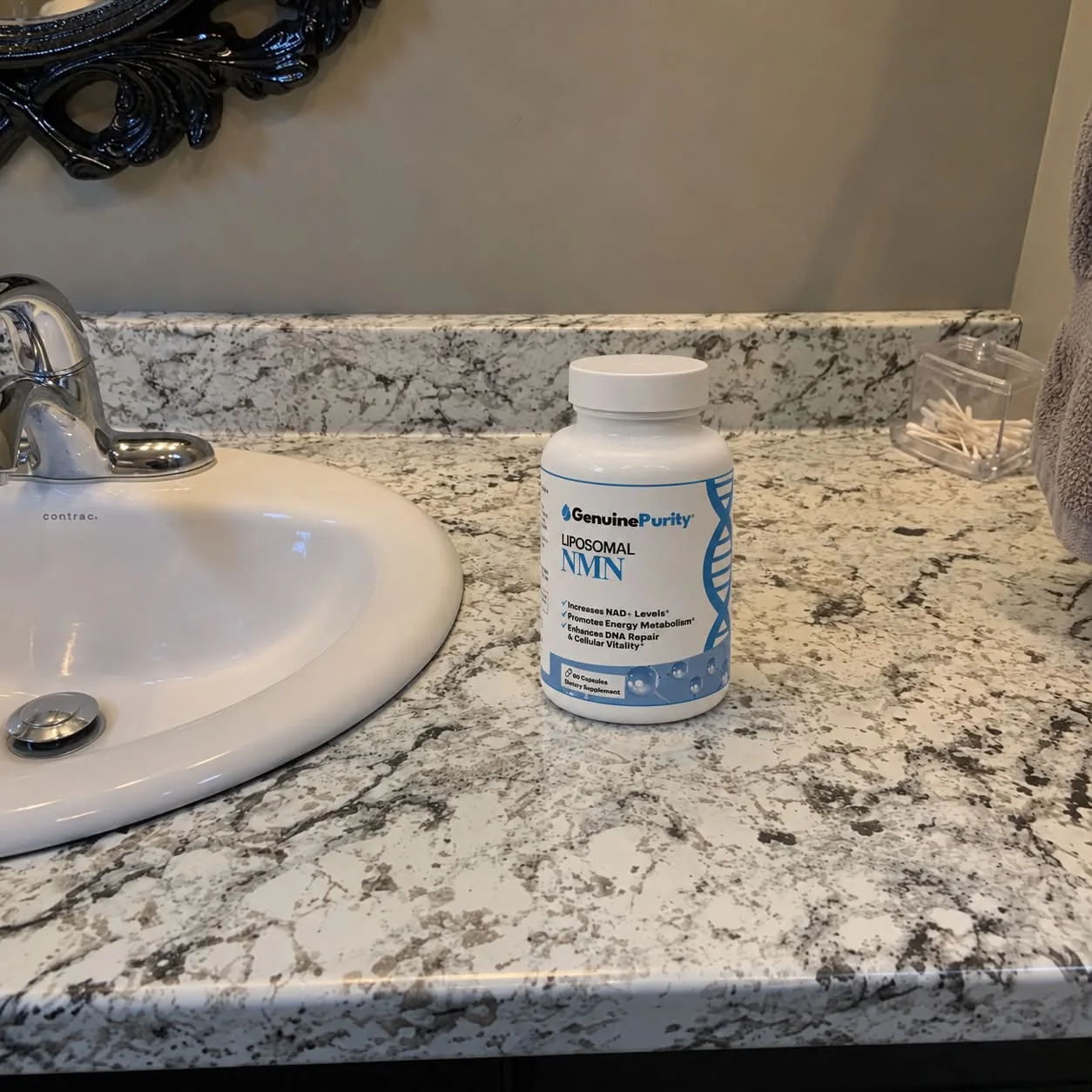
One option available through our affiliate partner is GenuinePurity Liposomal NMN. The current label lists 250 mg NMN per capsule and the company publishes certificates of analysis. GenuinePurity also makes stronger claims about liposomal absorption and longevity on its marketing pages; Vitamin Hippo is not adopting those claims as established clinical outcomes.
Check the current label, certificate information, price and directions on the official product page. Our affiliate link may earn Vitamin Hippo a commission.
View GenuinePurity →Bottom line
NMN is more interesting than a lot of longevity marketing—but the evidence is still much smaller than the promises. Human studies support its ability to influence NAD-related biomarkers, while meaningful anti-aging and lifespan claims remain unproven. If you experiment with NMN after 40, do it with realistic expectations and without letting a supplement displace the basics that already have much stronger evidence.
Sources & further reading
- Yi L, et al. The efficacy and safety of β-nicotinamide mononucleotide supplementation in healthy middle-aged adults: a randomized, multicenter, double-blind, placebo-controlled trial. PubMed.
- GenuinePurity. Liposomal NMN. Current product information.
- GenuinePurity. Certificates of Analysis. Current COA page.

Tim Lekach founded Vitamin Hippo and has written about supplements, men’s health and healthy aging since the site’s original run. Vitamin Hippo separates personal experience, manufacturer claims and published evidence so readers can make better-informed decisions.
More about Tim and Vitamin Hippo →